鲍默《东方教会:亚述基督教图史》第十三章:近期考古发现与教会及政治发展(中英文对照版)
阿甲按:本连载以克里斯托夫·鲍默(Christoph Baumer)2016年英文新版为底本,采用人工智能辅助中译,以中英文对照形式供研读参考。译文及原文提取仍有待校订,人名、地名、专业术语和个别断句未必准确,欢迎读者与专家指正。
本章导读
本章汇集新版所增补的考古发现、教会关系与政治发展,讨论伊拉克及叙利亚基督徒在战乱、极端主义和人口外迁中的处境,以及其历史遗产与未来的挑战。
凡例
- 翻译自:Christoph Baumer, The Church of the East: An Illustrated History of Assyrian Christianity, new edition, translated by Miranda G. Henry (London and New York: I.B.Tauris, 2016),第十三章,原书第 285–293 页。
- 本连载保留英文原文、图版与原书页码,采用双语对照形式,便于参阅和引用。原作页码与 PDF 文件的物理页序不同,本文标示原书页码。
- 中文初稿由 DeepSeek 辅助生成,部分缺译和遗漏段落使用 GPT-6-luna 补译;本次整理不等同于完成学术校订。原文中的个别断句、图注拼接和脚注提取仍需对照原书核查。
- 人名、地名、书名与叙利亚语专业术语的译法仅供参考,相关条目可参阅《高尔吉亚叙利亚遗产百科辞典》。
- 引用建议:克里斯托夫·鲍默,《东方教会:亚述基督教图史》第十三章“近期考古发现与教会及政治发展”,袁永甲整理(人工智能辅助中译,待校订),教父原文中译计划,2026年10月12日,本文网址,并注明原书页码及访问日期。
第十三章:近期考古发现与教会及政治发展
Recent Archaeological
近期考古
Discoveries, and Ecclesiastical and Political Developments XIII
发现,以及教会与政治发展 XIII
Recent archaeological discoveries
近期的考古发现
After the discovery and excavation of the important Nestorian monastic church of Urgut in Uzbekistan in 2004–7 (p. 169f), archaeological investigations also identified significant cultural relics of the Church of the East in Iraq, Central Asia, China and possibly also Mongolia.
在2004—2007年发现并发掘了位于乌兹别克斯坦 (Uzbekistan) 乌尔古特 (Urgut) 的重要聂斯托利派修道院教堂(第169页及以下)之后,考古调查还确认了伊拉克 (Iraq)、中亚 (Central Asia)、中国 (China) 以及可能还有蒙古 (Mongolia) 的东方教会 (Ch. of E.) 的重要文化遗存。
In the Kurdistan Region of Iraq, which corresponds in part to the former Nestorian archdiocese of Beth Garmai, stand the ruins of the monastic church Deir Bazyan, about 25 km west of Suleymaniyah. It was first mentioned in the first half of the nineteenth century by the scholar and traveller Claudius James Rich and roughly excavated in the early 1980s. A second campaign in 1987–90 produced poor results and the numismatic finds have been lost. However, a brief investigation in 2000 correctly identified the ruin as a paleo-Christian church. The scientific excavations starting in 2011 revealed a three-nave monastic church standing almost in the centre of a rectangular fortress, reinforced by towers which followed a circular floor plan. The church was founded between the fifth and sixth century in the Sassanian period and was in use at least until the ninth century. So far, it remains unclear whether the church was built before the fortress or concurrently. Then again, it was certainly not built after the fortress. At the entrance, there were stone boards decorated with typical Nestorian crosses. In the central nave, the shqaqona and the bema were exceptionally well preserved. Standing in the east of the church, behind the chancel and separated from it by a wall, was a beth sahade, a martyrion sheltering the relics of martyrs or holy monks. [^1]
在伊拉克库尔德斯坦地区 (Kurdistan Region of Iraq),其部分区域对应于前聂斯托利派贝特·加尔迈大主教区 (Beth Garmai),矗立着代尔·巴兹扬修道院教堂 (Deir Bazyan) 的遗址,位于苏莱曼尼亚 (Suleymaniyah) 以西约25公里处。它最早由学者兼旅行家克劳狄乌斯·詹姆斯·里奇 (Claudius James Rich) 在19世纪上半叶提及,并于20世纪80年代初被粗略发掘。1987年至1990年的第二次发掘工作成果不佳,且钱币出土物已遗失。然而,2000年的一次简短调查正确地将该遗址认定为一座早期基督教教堂。自2011年开始的科学发掘揭示了一座三廊式修道院教堂,它几乎位于一座长方形堡垒的中央,该堡垒由按圆形平面布局的塔楼加固。该教堂建于萨珊时期 (Sassanian period) 的五至六世纪之间,并至少使用至九世纪。迄今为止,尚不清楚该教堂是建于堡垒之前还是与之同时建造。不过,它肯定不是建于堡垒之后。在入口处,有装饰着典型聂斯托利派十字架的石板。在中央中殿,阶梯 (shqaqona) 和中央平台 (bema) 保存得异常完好。在教堂东侧,圣坛之后,由一堵墙与之隔开,矗立着一座殉道者之屋 (beth sahade),即一座安放殉道者或圣修士遗骸的殉道者纪念堂 (martyrium)。1
In Uzbekistan, the excavations conducted under the auspices of the Swiss Society for the Exploration of EurAsia at Qarshovul-tepe, north-east of Chinaz, Oasis of Chach (Tashkent), found a gravestone in a graveyard in 2012 bearing a roughly-scratched cross, but lacking any inscription. Two years earlier, an Uzbek
在乌兹别克斯坦,由瑞士欧亚探索学会 (Swiss Society for the Exploration of EurAsia) 主持、在奇纳兹 (Chinaz) 东北的察赤绿洲 (Chach)(塔什干 (Tashkent))的卡尔绍武尔捷佩 (Qarshovul-tepe) 进行的发掘,于2012年在一处墓地中发现了一块墓碑,上面有一个粗略刮刻的十字,但没有任何铭文。两年前,一名乌兹别克
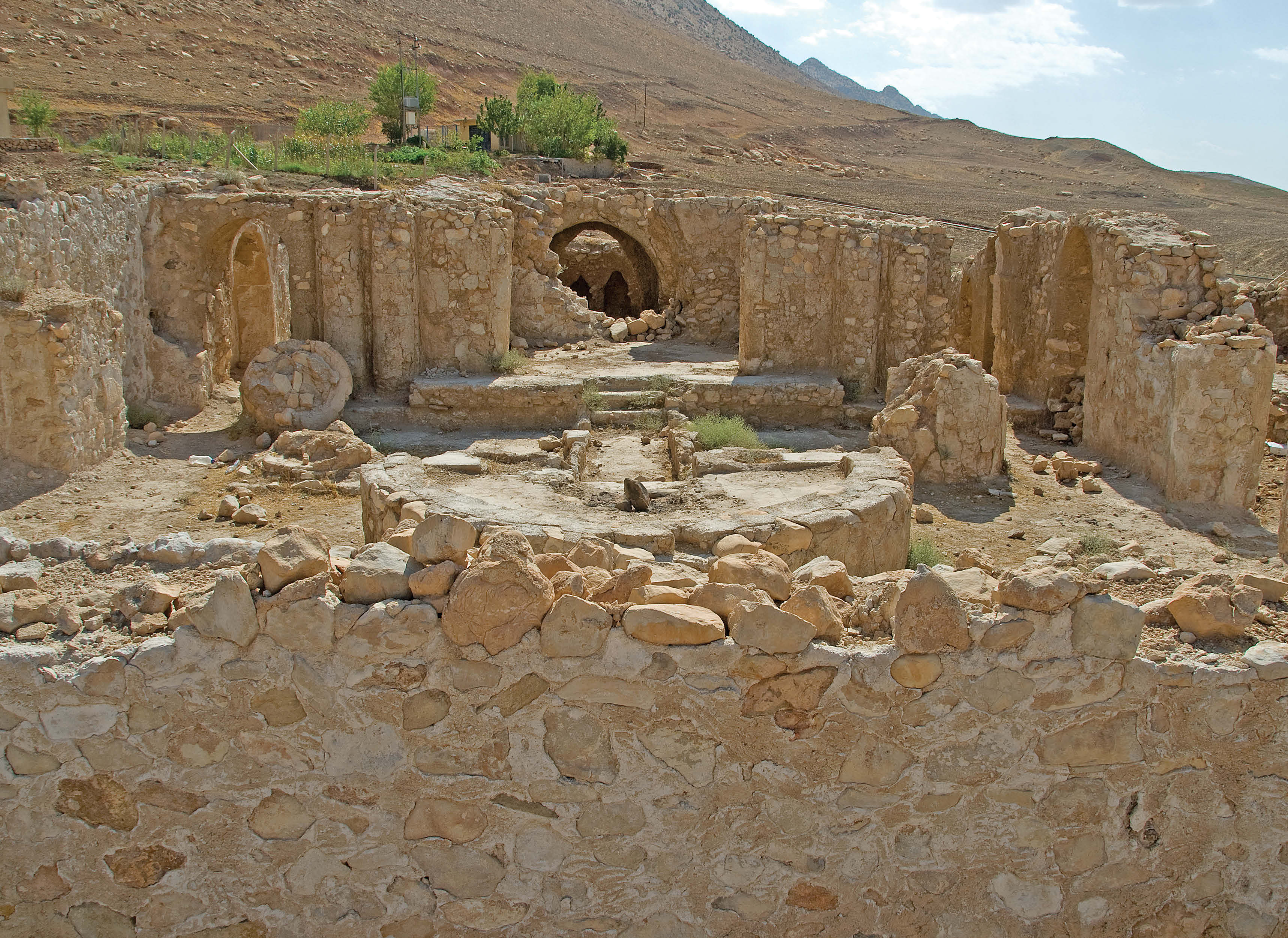
Ruins of the paleo-Christian Monastery of Deir Bazyan, Kurdistan Region, Iraq, dating from between the fifth and sixth century. In the centre stands the circle-shaped bema, behind it the narrow shqaqona leading to the chancel. Photo: 2009.
伊拉克库尔德斯坦地区 (Kurdistan Region, Iraq) 古基督教代尔巴兹扬修道院 (Monastery of Deir Bazyan) 遗址,年代在五至六世纪之间。中央矗立着圆形的贝玛 (bema),其后方是通往圣坛的狭窄通道 (shqaqona)。照片:2009年。
archaeologist had found a bronze cross on the ground at the same site. Until the excavations of 2015, no further finds had corroborated the hypothesis of a Christian presence at Qarshovul- tepe. [^2] The discovery of coins suggests that this small city was inhabited from at least the fifth to the late eighth century. Previously, early medieval coins of Turkic rulers had been found at Kanka, south-east of Chinaz, and at other places, featuring a male face and a cross on the obverse side. [^3]
考古学家曾在同一遗址的地面上发现一枚青铜十字架。直到2015年的发掘之前,尚无进一步发现能够证实卡尔绍武尔捷佩 (Qarshovul-tepe) 存在基督教活动的假设。2 钱币的发现表明,这座小城至少从5世纪到8世纪末一直有人居住。此前,在奇纳兹 (Chinaz) 东南的坎卡 (Kanka) 以及其他地方曾发现突厥统治者的中世纪早期钱币,其正面饰有男性面孔和十字架。3
In Kazakhstan, while the ongoing excavations at Kayalik, mentioned by Rubruk, did not bring any architectural Christian cultural relics to light, except for a piece of ceramic with an engraved cross, an important discovery was made in 2014 at Ilan Balik (today’s Uch-Aral), eastern Kazakhstan. Ilan Balik is 174 km to the south- south-west of Kayalik and 53 km to the west of Almalik. During a survey, a Nestorian gravestone (kayrak) was found at Uch-Aral, where three small hoards of Karakhanid coins (eleventh century) and Dirham coins from the thirteenth to the fifteenth centuries were also discovered. [^4] The 100cm-long, undated gravestone has an engraved Maltese cross on the main long side and an inscription in Turkic language and Syriac script. The preliminary translation from Dr Mark Dickens reads ‘Tegin’s son Petros, Baršabba Qucha’s son [name illegible]’, which means the kayrak was probably for two males. [^5] A second cross is engraved on the top of the kayrak. The site of Ucharal is identical with ancient Ilan Balik, which was mentioned by the Armenian Cilician king Hethum I when he returned in 1254 from his tribute-bringing journey to the Mongol Great Khan Möngke. [^6] The excavation of Ilan Balik will start in fall 2016 under the auspices of the Society for the Exploration of EurAsia.
在哈萨克斯坦,尽管鲁布鲁克 (Rubruk) 提及的卡亚利克 (Kayalik) 正在进行的发掘并未发现任何基督教建筑文化遗存,除了一件刻有十字架的陶瓷片外,但2014年在哈萨克斯坦东部的伊兰巴利克 (Ilan Balik)(今乌奇阿拉尔 (Uch-Aral))有一项重要发现。伊兰巴利克 (Ilan Balik) 位于卡亚利克 (Kayalik) 南南西174公里、阿力麻里 (Almalik) 以西53公里处。在一次调查中,于乌奇阿拉尔 (Uch-Aral) 发现了一块聂斯托利派 (Nestorian) 墓碑 (kayrak),那里还发现了三处小窖藏,内有喀喇汗王朝钱币 (Karakhanid coins)(11世纪)以及13至15世纪的迪拉姆钱币 (Dirham coins)。4这块长100厘米、未纪年的墓碑,在主要长边一侧刻有马耳他十字 (Maltese cross),并有一篇以突厥语 (Turkic language) 和叙利亚文 (Syriac script) 书写的铭文。马克·迪肯斯博士 (Dr Mark Dickens) 的初步译文为:“特勤 (Tegin) 之子彼得罗斯 (Petros),巴尔沙巴·库查 (Baršabba Qucha) 之子 [名字无法辨认]”,这意味着该墓碑 (kayrak) 可能属于两名男性。5墓碑 (kayrak) 顶部还刻有第二个十字架。乌奇阿拉尔 (Ucharal) 遗址与古代伊兰巴利克 (Ilan Balik) 为同一地点;亚美尼亚奇里乞亚国王海屯一世 (Hethum I) 于1254年从向蒙古大汗蒙哥 (Möngke) 进贡的旅程返回时曾提及该地。6伊兰巴利克 (Ilan Balik) 的发掘将于2016年秋季在欧亚探索学会 (Society for the Exploration of EurAsia) 的主持下开始。
In Central China, in the city of Luoyang, where a Nestorian monastery once stood during the Tang Dynasty (618–907), an inscribed stone pillar was found in May 2006.7 The pillar, which was damaged while being cut away from its base, is around 85 cm high and has a circumference of 40 cm. It is octagonal in shape and strongly resembles Buddhist dharani[^8] pillars, which were common during the Tang Dynasty. On the top of six of the eight sides, there is an image, twice a Nestorian cross standing above a lotus flower and flanked by a flying angel on each side. These flying angels are also similar to Buddhist iconography, since they resemble the flying heavenly messengers called apsaras at the
在中国中部,洛阳 (Luoyang) 城,唐朝 (Tang Dynasty)(618–907)时期曾有一座景教 (Nestorian) 修道院,2006年5月,这里发现了一根刻有铭文的石柱。7 这根石柱在从基座切割下来时受损,高约85厘米,周长40厘米。它呈八角形,与唐代常见的佛教陀罗尼经幢 (Buddhist dharani pillars) 极为相似。在八个侧面中的六个侧面上部,各有一幅图像,其中两次是景教十字架 (Nestorian cross) 立于莲花之上,两侧各有一位飞翔的天使。这些飞翔的天使也与佛教图像相似,因为它们类似于被称为飞天 (apsaras) 的飞行天界使者,在……
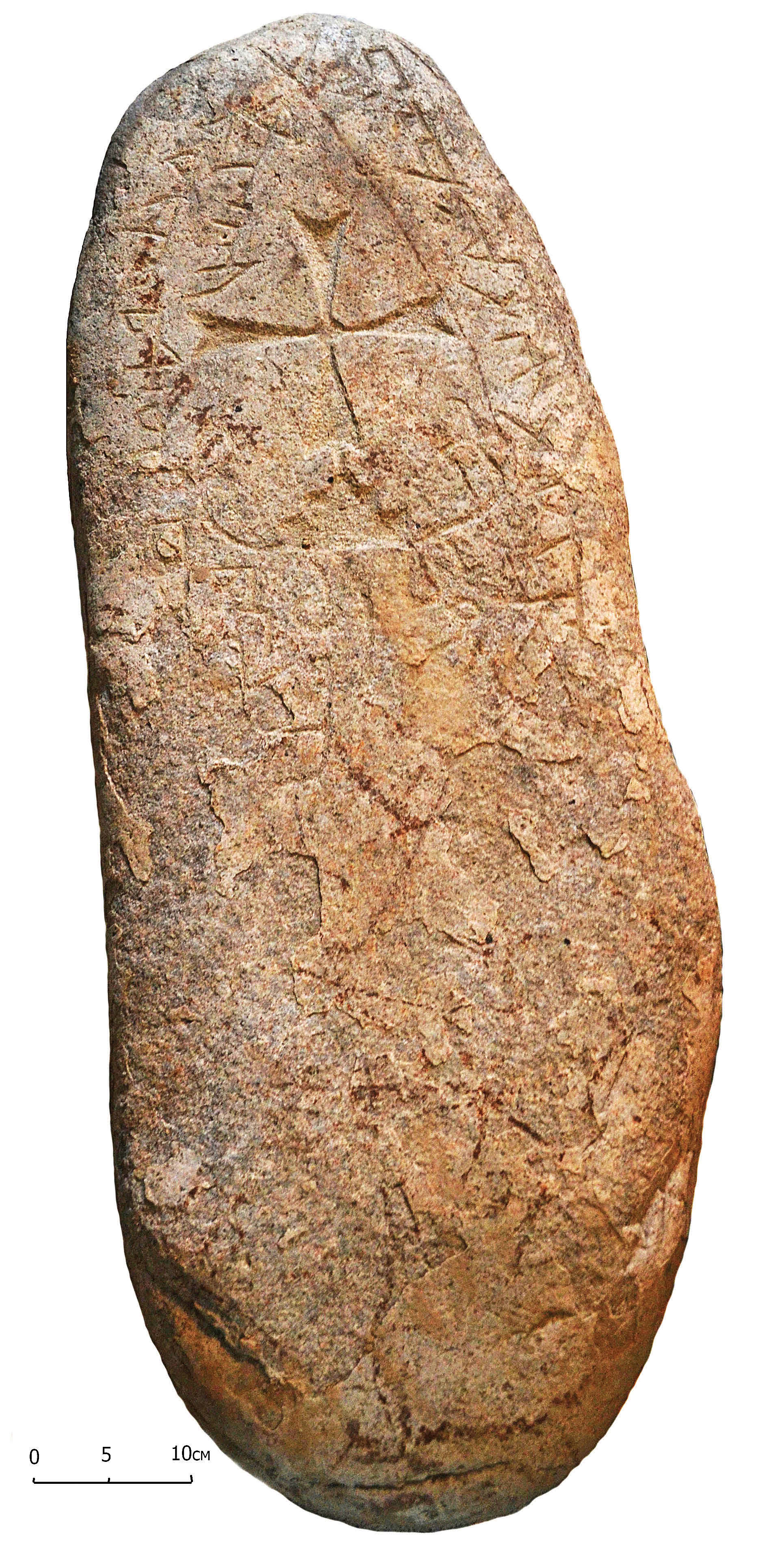
The Nestorian gravestone (kayrak) found in 2014 at Ilan Baliq, eastern Kazakhstan. Photo: 2014.
2014年在哈萨克斯坦东部的伊兰巴里奇 (Ilan Baliq) 发现的景教(Nestorian)墓碑(kayrak)。照片:2014年。
Recent Archaeological Discoveries, and Ecclesiastical and Political Developments | 287 nearby caves of Longmen and in the murals of Dunhuang. The inscribed text in Chinese deals with the Teaching on the Origin of Origins of the Da Qin Luminous Religion and its second part is an epitaph honouring a Christian Sogdian woman. The inscription also records the names of the abbot of the Nestorian monastery of Luoyang, hence confirming its existence, and of eight other monks of Sogdian descent. The inscription gives the year 814/15 for the erection of the pillar and it records that it was relocated in the year 829.9 The pillar was probably buried during the persecutions initiated by Emperor Wuzong in 843–45 against foreign, non-Chinese religions. [^10]
近期的考古发现,以及教会与政治发展 | 287 在龙门 (Longmen) 附近的石窟以及敦煌 (Dunhuang) 的壁画中。中文碑文涉及《大秦景教宣元至本经》(Teaching on the Origin of Origins of the Da Qin Luminous Religion),其第二部分是一篇纪念一位基督教粟特 (Sogdian) 妇女的墓志铭。碑文还记录了洛阳 (Luoyang) 的景教 (Nestorian) 修道院院长的名字,从而证实了该修道院的存在,以及另外八位粟特 (Sogdian) 裔修士的名字。碑文记载该石柱立于814/15年,并记载它于829.9年被迁移。该石柱很可能在唐武宗 (Emperor Wuzong) 于843–45年发起的针对外来非中国宗教的迫害中被埋藏。10
When William of Rubruk stayed in 1254 in Karakorum at the court of Great Khan Möngke, he described the church of the residing Nestorian community:
当鲁布鲁克的威廉 (William of Rubruk) 于1254年留居哈拉和林 (Karakorum) 的大汗蒙哥 (Möngke) 宫廷时,他描述了当地聂斯托利派 (Nestorian) 社群的教堂:
‘We reached the vicinity of Caracorum on Palm Sunday [5 April 1254]. At daybreak … we entered the city, raising the cross aloft on its banner and making our way as far as the church through the Saracean quarter. … The church … is a rather large and fine one, with its roof completely covered by silk cloth threaded with gold.’ seems to have served as a cultic building, large fragments of murals came to light, some of them with inscriptions, in the better-built, so-called ‘eastern house’. [^12] Although the tiny inscribed fragments cannot as yet be clearly attributed to a script, both Syriac or Uigur scripts are possible. [^13] As the leading archaeologist Hans-Georg Hüttel wrote as a preliminary hypothesis, the ‘eastern house’ may be interpreted as a Nestorian church, which was converted in the fourteenth century into a Buddhist temple. [^14]
“我们在棕枝主日 (Palm Sunday) [1254年4月5日] 抵达哈拉和林 (Caracorum) 附近。黎明时分……我们进入该城,将十字架高高举在旗帜上,穿过撒拉逊人区 (Saracean quarter),一直走到教堂。……这座教堂……相当大且精美,其屋顶完全覆盖着织有金线的丝绸布。”它似乎曾用作祭祀性建筑;在建造得更好的所谓‘东屋’ (‘eastern house’) 中,发现了大片壁画残片,其中一些带有铭文。12 尽管这些刻有铭文的小残片尚不能明确归属于某种文字,但叙利亚文 (Syriac) 或回鹘文 (Uigur) 皆有可能。13 正如著名考古学家汉斯-格奥尔格·许特尔 (Hans-Georg Hüttel) 作为初步假设所写的那样,‘东屋’ (‘eastern house’) 可被解释为一座景教教堂 (Nestorian church),该教堂在14世纪被改建为佛教寺庙。14
Later on, Rubruk described the layout of the city, specifying that ‘the one church [stands] at the far end of the town.’11
后来,鲁布鲁克 (Rubruk) 描述了该城的布局,并明确指出:“那座唯一的教堂 [坐落于] 城镇的尽头。”11
Based on Rubruk’s description of the location of the Muslim quarter containing the bazar and on archaeological evidence, it may be inferred that his statement that the church stood at ‘the far end’ pointed to the north-eastern quarter of the city. During its work in the north-eastern sector from 2007–9, the German–Mongol Karakorum archaeological expedition indeed located a complex of houses oriented along the east-west line. This clearly distinguishes it from standard Mongol dwellings, which usually face the south. While the so-called ‘northern house’
基于鲁布鲁克 (Rubruk) 对设有集市 (bazar) 的穆斯林街区位置的描述,并结合考古证据,可以推断,他关于教堂位于“最远端”的说法指向该城的东北城区。在2007—2009年于东北部区域开展工作期间,德国—蒙古哈拉和林考古考察队 (German–Mongol Karakorum Archaeological Expedition) 确实发现了一组沿东西向排列的房屋建筑群。这使其与通常朝南的典型蒙古民居明显区别开来。而所谓的“北屋”
Recent developments within the Church of the East
东方教会 (Ch. of E.) 内部的近期发展
The ecumenical dialogue of the Assyrian Church of the East with the Roman Catholic Church had begun in November 1984, when the late Patriarch
东方亚述教会 (Assyrian Church of the East) 与罗马天主教会 (Roman Catholic Church) 的普世对话始于1984年11月,当时已故宗主教
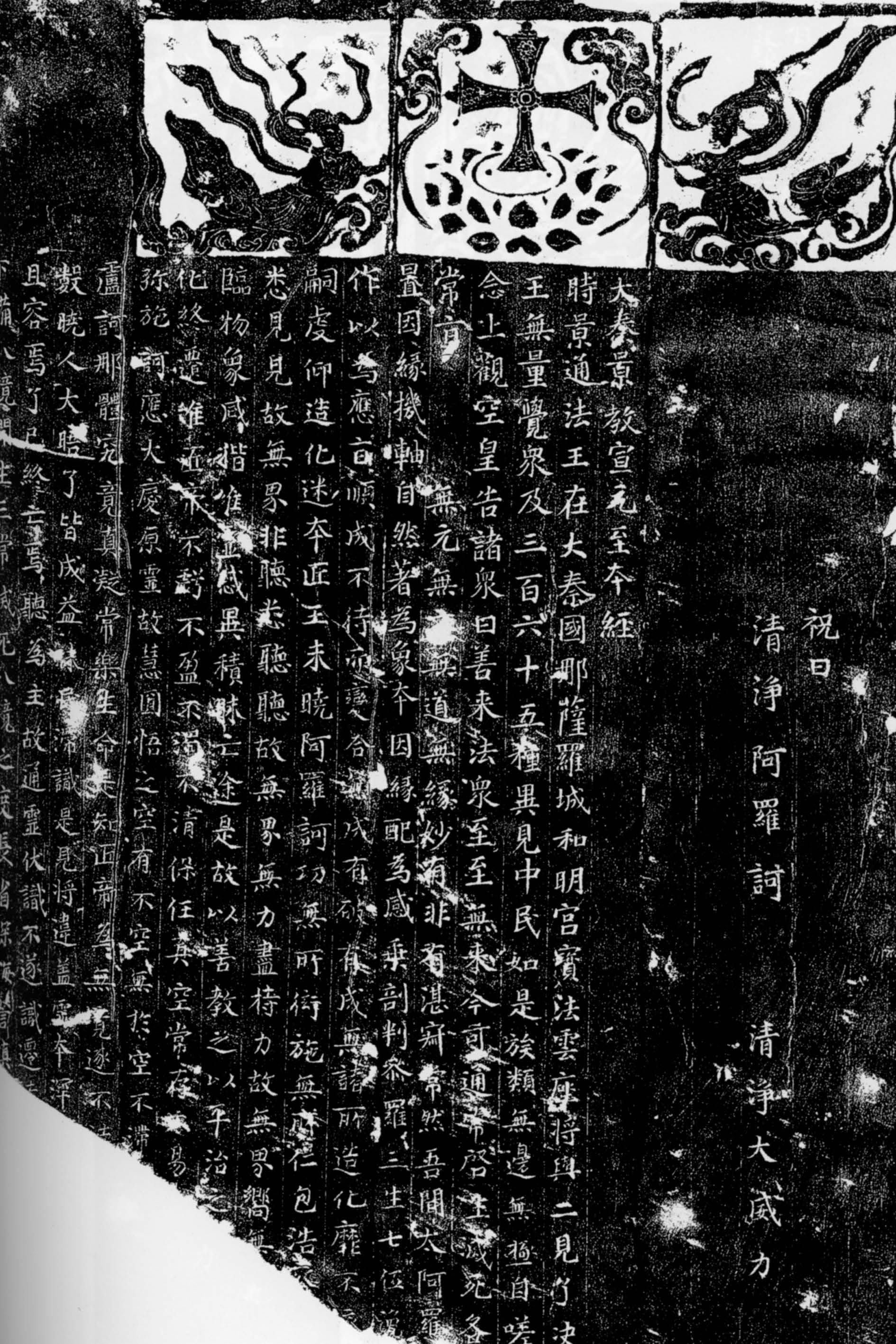
The Nestorian stone pillar found in 2006 in Luoyang, China.
2006年在中国 (China) 洛阳 (Luoyang) 发现的景教 (Nestorian) 石柱。
Mar Dinkha IV visited the late Pope John Paul II at the Vatican. On the occasion of this visit, a mixed, later joint Theological Commission was established. Its fruitful work led to the Common Christological Declaration signed by both Church leaders on 11 November 1994.15 The Declaration referred to the Nicaean Creed acknowledged by both Churches and recognized the legitimacy of the confessions concerning Jesus Christ and the Churches’ specific venerations of the Virgin Mary. As the second step of the Assyrian–Roman Catholic dialogue, the formulation of a ‘common understanding and mutual recognition of the Sacramental Life’ was defined. The completed draft, allowing for a ‘limited communion’ that enjoyed mutual recognition under circumstances of ‘pastoral necessity’, has not yet been ratified, however. The third step defined by the Commission concerns Church organization and includes the major stumbling block of Papal primacy.
马尔·丁哈四世 (Mar Dinkha IV) 在梵蒂冈 (Vatican) 拜访了已故教宗若望保禄二世 (Pope John Paul II)。借此次访问之机,成立了一个混合的、后来成为联合的神学委员会。其富有成果的工作促成了由双方教会领袖于1994年11月11日签署的《共同基督论宣言》(Common Christological Declaration)。15 该宣言提及双方教会共同承认的《尼西亚信经》(Nicaean Creed),并承认关于耶稣基督的诸信仰宣认以及各教会对童贞玛利亚 (Virgin Mary) 的特定敬礼的正当性。作为亚述—罗马天主教对话 (Assyrian–Roman Catholic dialogue) 的第二步,确定了“对圣事生活 (Sacramental Life) 的共同理解与相互承认”的表述。然而,这份已完成的草案允许在“牧灵需要” (pastoral necessity) 情形下得到相互承认的“有限共融” (limited communion),但尚未获得批准。该委员会确定的第三步涉及教会组织,并包含教宗首席权 (Papal primacy) 这一主要绊脚石。
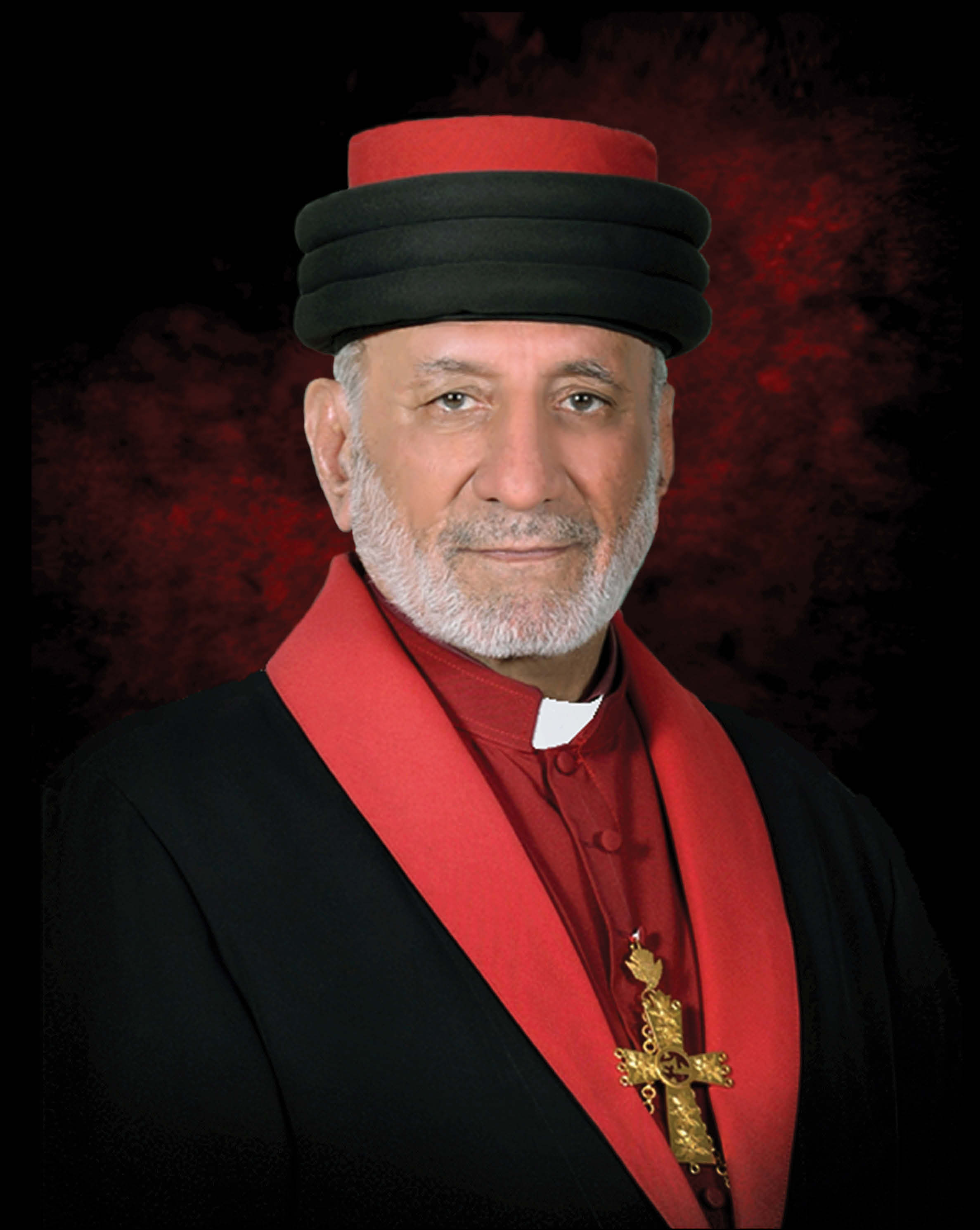
In 2004, a conflict emerged between Mar Ashur Bawai Soro, then Bishop of the Assyrian Diocese of California, and the other members of the Holy Synod. In an open letter to the Synod, Mar Soro stated that in his understanding a ‘full communion’ of Churches implied a recognition of the primacy of the Bishop of Rome ‘as the successor of Peter’, which also meant that a lack of full communion with Rome would nullify the apostolic order and invalidate the patriarchal primacy of the Church of the East. Bishop Soro was consequently suspended from his episcopal duties in 2005 and ‘formally laicized and defrocked from all holy orders’ by the Assyrian Holy Synod on 31 October 2008.16 Later, the former bishop converted to the Chaldean- Catholic Church and was appointed Titular Bishop of Foratiana based in San Diego County, USA in 2014. of the East since 17 October 1976. Mar Aprem Mooken, Metropolitan for India, then assumed the patriarchal vicariate of the Church until the election of the new patriarch Mar Giwargis III Sliwa on 18 September and his formal consecration on 27 September 2015 as the 121st Catholicos-Patriarch of the Holy Apostolic See of Seleucia-Ctesiphon. Born Warda Daniel Sliwa in Habbaniya, Iraq in 1941, he was ordained as a priest in 1980 and consecrated as Metropolitan for Baghdad and all of Iraq in June 1981. At this point, he was also given the name Mar Giwargis. While the previous Patriarch Mar Dinkha IV resided in Chicago, USA, the new official residence of Patriarch Mar Giwargis III is Erbil, capital of the Kurdistan Region of Iraq. This change of location of the patriarchal see could not only be expected, since Mar Giwargis Sliwa served previously as Metropolitan of Baghdad and all of Iraq, based in Baghdad, but it was meant above all to encourage the Assyrian Christians to stay in the Church’s heartland and
2004年,时任加利福尼亚(California)亚述教区主教的马尔·阿舒尔·鲍艾·索罗(Mar Ashur Bawai Soro)与其他神圣主教会议成员发生冲突。索罗在致该会议的公开信中表示,按照他的理解,教会之间的“完全共融”意味着承认罗马(Rome)主教“作为伯多禄(Peter)的继承人”所具有的首席权;这也意味着,若未与罗马完全共融,便会使宗徒传承的圣职秩序失效,并使东方教会宗主教的首席权无效。索罗主教因此于2005年被暂停主教职务,并于2008年10月31日被亚述神圣主教会议“正式还俗,并解除一切圣秩”。16 后来,这位前主教改宗加色丁礼天主教会,并于2014年获任命为福拉提亚纳(Foratiana)领衔主教,驻地设在美国(USA)加利福尼亚州(California)圣迭戈县(San Diego County)。自1976年10月17日起担任东方教会宗主教。印度(India)都主教马尔·阿普雷姆·穆肯(Mar Aprem Mooken)随后担任该教会宗主教代牧,直至新宗主教马尔·吉瓦尔吉斯III·斯利瓦(Mar Giwargis III Sliwa)于9月18日当选,并于2015年9月27日正式祝圣为塞琉西亚—泰西封圣宗徒座(Holy Apostolic See of Seleucia-Ctesiphon)第121任大公宗主教。吉瓦尔吉斯三世于1941年出生在伊拉克(Iraq)哈巴尼亚(Habbaniya),本名瓦尔达·丹尼尔·斯利瓦(Warda Daniel Sliwa);他于1980年晋铎,1981年6月祝圣为巴格达(Baghdad)及全伊拉克(Iraq)都主教。此时他也获赐马尔·吉瓦尔吉斯(Mar Giwargis)之名。前任宗主教马尔·丁哈IV(Mar Dinkha IV)居于美国芝加哥(Chicago),而宗主教马尔·吉瓦尔吉斯III的新官方驻地则设在伊拉克库尔德斯坦地区首府埃尔比勒(Erbil)。宗主教驻地的这一变更并不令人意外,因为马尔·吉瓦尔吉斯·斯利瓦此前曾以巴格达(Baghdad)为驻地,担任巴格达(Baghdad)及全伊拉克(Iraq)都主教;但此举最主要的目的,是鼓励亚述基督徒留在教会的核心地区,并
Catholicaos-Patriarch Mar Giwargis III (in office since 2015).
大公宗主教 (Catholicaos-Patriarch) 马尔·吉瓦吉斯三世 (Mar Giwargis III)(自2015年起在位)。
H.H. Mar Dinkha IV (b. 1935) passed away on 26 March 2015, after having served as Catholicos-Patriarch of the Assyrian Church
圣座马尔·丁卡四世 (H.H. Mar Dinkha IV)(生于1935年)曾担任亚述教会 (Assyrian Church) 大公宗主教 (Catholicos-Patriarch),于2015年3月26日逝世。
Recent Archaeological Discoveries, and Ecclesiastical and Political Developments | 289 released from Pandora’s Box’.19 Unfortunately, the events since 2014 have justified those apprehensions. While the situation of the Assyrians and Chaldeans has remained relatively stable and secure within the autonomous Kurdistan Region – which commands its own armed forces, the Peshmerga, and has Erbil (also called Arbil) as its capital – it has deteriorated dramatically in the region of Mosul and the Niniveh Plains east and north of Mosul, one of the heartlands of Assyrians and Iraqi Christians. As the already precarious security situation of Assyrian Christians in Iraq started to worsen with bombing attacks on churches in Baghdad and Mosul in August 2004 and continued to decline over the next years with further anti- Christian attacks in Baghdad, Basra, Ramadi and Mosul in the forms of kidnapping, torture and murder, thousands of Assyrian Christians sought refuge in the Niniveh Plains close to the Kurdistan Region. There were hopes that a new province would be created in the Niniveh Plains not to emigrate abroad.
近期考古发现,以及教会与政治发展 | 289 从潘多拉魔盒 (Pandora’s Box) 中释放出来’。19 不幸的是,2014年以来的事件证明这些担忧是有道理的。尽管亚述人 (Assyrians) 和迦勒底人 (Chaldeans) 的处境在自治的库尔德斯坦地区 (Kurdistan Region) 内仍相对稳定和安全——该地区拥有自己的武装力量佩什梅格 (Peshmerga),并以埃尔比勒 (Erbil,亦称阿尔比勒 (Arbil)) 为首府——但在摩苏尔 (Mosul) 地区以及摩苏尔以东和以北的尼尼微平原 (Niniveh Plains),即亚述人 (Assyrians) 和伊拉克基督徒 (Iraqi Christians) 的核心地带之一,他们的处境已急剧恶化。随着伊拉克亚述基督徒 (Assyrian Christians) 本已岌岌可危的安全局势因2004年8月巴格达 (Baghdad) 和摩苏尔 (Mosul) 的教堂遭炸弹袭击而开始恶化,并在随后几年因巴格达 (Baghdad)、巴士拉 (Basra)、拉马迪 (Ramadi) 和摩苏尔 (Mosul) 发生的更多反基督教袭击——其形式包括绑架、酷刑和谋杀——而持续恶化,数千名亚述基督徒 (Assyrian Christians) 逃往靠近库尔德斯坦地区 (Kurdistan Region) 的尼尼微平原 (Niniveh Plains) 避难。人们曾希望尼尼微平原 (Niniveh Plains) 会设立一个新省,使他们不必移居国外。
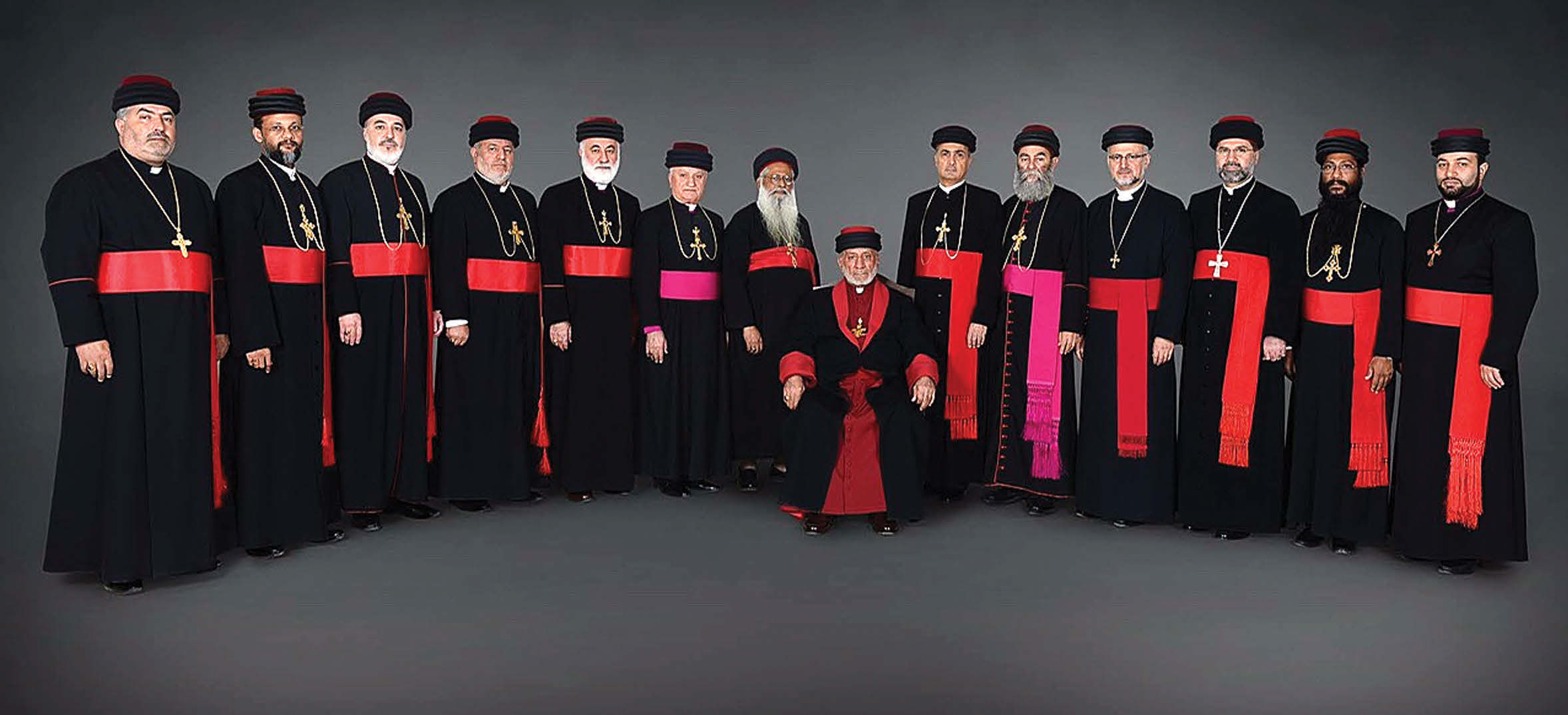
The Holy Synod of the
……的神圣会议 (Holy Synod)
Church of the East.
东方教会 (Ch. of E.)
In terms of organization, the Church is divided into three archdioceses and eight dioceses. The Holy Synod counts fourteen members, including the Catholicos-Patriarch.17 Concerning the painful issue of the inner-Assyrian split between the Assyrian Church of the East and the Ancient Church of the East, headed since February 1970 by Mar Addai II,18 a reunification has not been yet been achieved in spite of numerous attempts. The last one was in June 2015.
在组织架构上,该教会分为三个大主教区和八个教区。神圣主教会议 (Holy Synod) 共有十四名成员,其中包括大公宗主教 (Catholicos-Patriarch)。17 关于东方亚述教会 (Assyrian Church of the East) 与自1970年2月起由马尔·阿代二世 (Mar Addai II)18 领导的古东方教会 (Ancient Church of the East) 之间亚述内部的分裂这一痛苦问题,尽管多次尝试,仍未实现重新统一。最后一次尝试是在2015年6月。
Recent political developments in Iraq and the plight of the
伊拉克近期的政治发展以及……的困境
Christians
基督徒
The present author wrote the following in 2006 about the future of the Christians in Iraq: ‘But there are worrying signs that [with the fall of Saddam Hussein in 2003] the spirit of uncompromising Islamic militancy has been
本文作者在2006年就伊拉克 (Iraq) 基督徒的未来写下了以下文字: “但存在令人担忧的迹象,表明[随着2003年萨达姆·侯赛因 (Saddam Hussein) 的倒台],毫不妥协的伊斯兰激进主义精神已经
that would serve as a safe zone for Christian Assyrians. either ran away or joined the attackers, leaving behind their weapons and equipment. The jihadists thus not only conquered the city, but also gained a huge arsenal of modern American military equipment, including ammunition. The jihadists followed up on their victory in the following two months by also conquering in the Niniveh Plains the Christian cities of Qaraqosh (also called Bakhdida and al-Hamdaniya), and then Tal Kayf, Bartella and Karamlish, which the Kurdish defence troops abandoned on 6 August 2014.20 But the Peshmerga and local Assyrian fighters managed to drive out the jihadists from the large Christian Assyrian village of Alqosh north of Mosul with its important monastery of Rabban Hormizd (p. 97). Today, the front line is at a distance of only 17 km from Alqosh. The
那本可作为基督徒亚述人 (Christian Assyrians) 的安全区。他们要么逃跑,要么加入袭击者,丢下了武器和装备。因此,圣战分子不仅征服了这座城市,还获得了一个庞大的现代美式军事装备库,包括弹药。在接下来的两个月里,圣战分子乘胜追击,又征服了尼尼微平原 (Niniveh Plains) 上的基督徒城市卡拉科什 (Qaraqosh)(又称巴赫迪达 (Bakhdida) 和哈姆达尼耶 (al-Hamdaniya)),随后又攻占了泰勒凯夫 (Tal Kayf)、巴尔泰拉 (Bartella) 和卡拉姆利什 (Karamlish),库尔德防卫部队于2014年8月6日放弃了这些地方。20 但佩什梅格 (Peshmerga) 和当地亚述战士成功将圣战分子逐出摩苏尔 (Mosul) 以北的亚述基督徒大村阿尔科什 (Alqosh),该村拥有重要的拉班霍尔米兹德 (Rabban Hormizd) 修道院(p. 97)。如今,前线距离阿尔科什 (Alqosh) 仅17公里。这
); formerly called Islamic State of Iraq and the Levant ISIS (
伊斯兰国 (ISIS)(旧称伊拉克和黎凡特伊斯兰国 (Islamic State of Iraq and the Levant));
However, the Islamic State IS (
然而,伊斯兰国 (IS)(
) attacked and captured Mosul, the second- largest city of Iraq, between 4 and 10 June 2014. This heterogeneous alliance is comprised of fanatical Iraqi Sunni jihadists, international Salafist jihadists from the Arabian Peninsula, North Africa, Pakistan, Northern Caucasus, and radicalized members of Muslim communities of Western Europe, as well as former Sunni Baathist senior army officers from Saddam Hussein’s army. Although the defending Iraqi army outnumbered the attackers by approximately fifteen to one, its resistance was weak. The troops
) 于2014年6月4日至10日间袭击并占领了伊拉克 (Iraq) 第二大城市摩苏尔 (Mosul)。这个异质联盟由狂热的伊拉克逊尼派 (Iraqi Sunni) 圣战分子、来自阿拉伯半岛 (Arabian Peninsula)、北非 (North Africa)、巴基斯坦 (Pakistan)、北高加索 (Northern Caucasus) 的国际萨拉菲派 (Salafist) 圣战分子,以及西欧 (Western Europe) 穆斯林社群中激进化的成员,还有来自萨达姆·侯赛因 (Saddam Hussein) 军队的前逊尼派 (Sunni) 复兴党 (Baathist) 高级军官组成。尽管防守的伊拉克军队 (Iraqi army) 在人数上以约十五比一超过进攻者,但其抵抗薄弱。这些部队


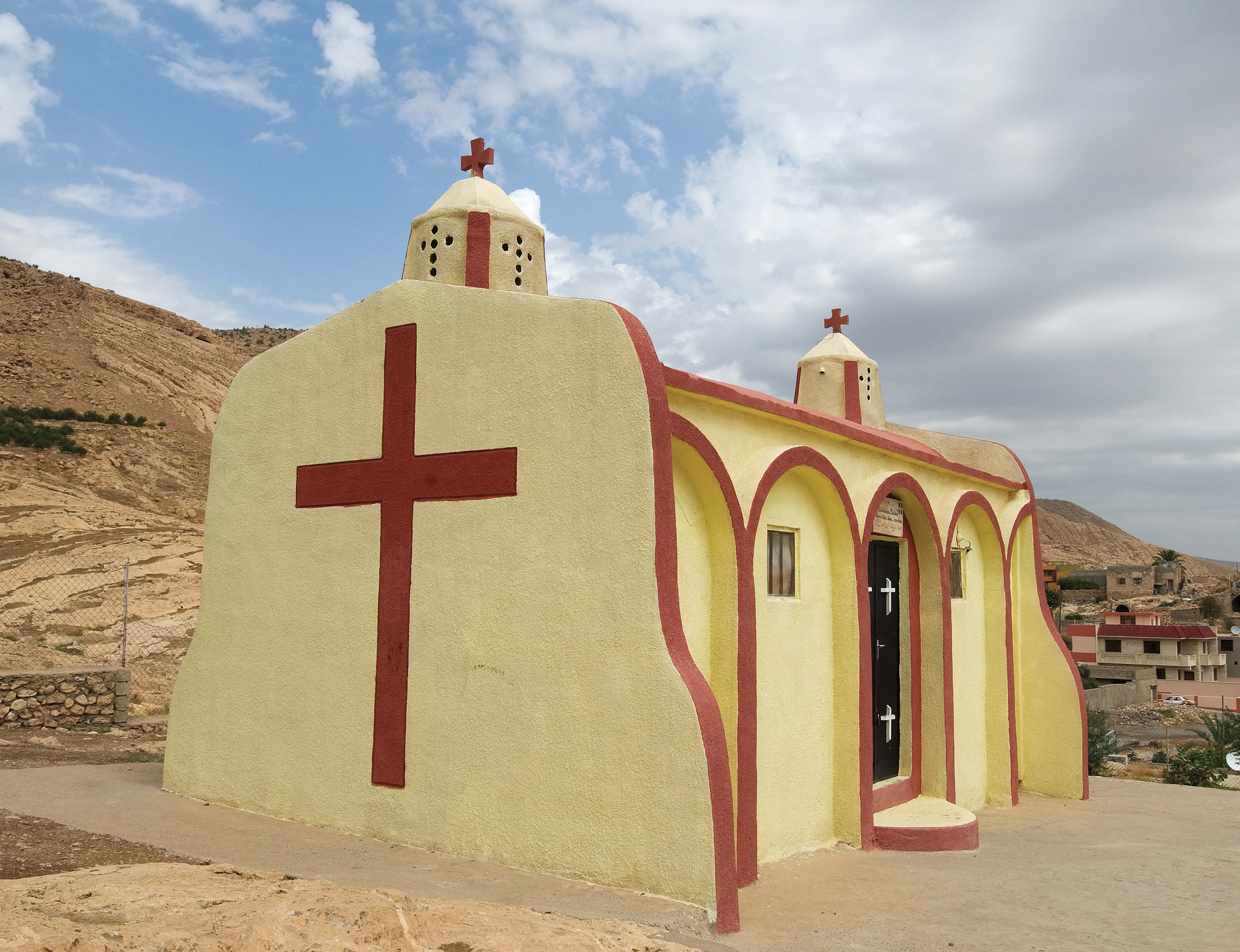
Chapel built in c. 2006 near the monastery hospice ‘Our Saving Father’ in Alqosh, Iraqi Kurdistan Region. Photo: 2009
小教堂建于约2006年,位于伊拉克库尔德斯坦地区 (Iraqi Kurdistan Region) 阿尔科什 (Alqosh) 的修道院临终关怀院“我们的拯救之父” (Our Saving Father) 附近。照片:2009年
Recent Archaeological Discoveries, and Ecclesiastical and Political Developments | 291
近期的考古发现,以及教会与政治发展 | 291
Chaldean monastery of Mar Mattai (p. 101) was also successfully defended. awaited younger Christian women who did not manage to flee and were captured by the jihadists of IS. Like Yezidi women, they were raped and sold at slave markets as sex slaves. Children were also sold as slaves. As reported in the press, ‘customers’ from Iraq, Syria and Saudi Arabia came and bought women for USD 200–300 ‘a piece’. [^23] To help the refugees arriving in the region of Kurdistan, ACERO, the Assyrian Church of the East Relief Organization, founded in 2007, has launched various philanthropic programs, including an initiative to support housing and school construction.
马尔·马泰 (Mar Mattai) 的迦勒底 (Chaldean) 修道院(第101页)也成功守住了。等待着那些未能逃脱、被伊斯兰国 (IS) 的圣战分子俘虏的年轻基督徒妇女。与雅兹迪 (Yezidi) 妇女一样,她们遭到强奸,并在奴隶市场上被当作性奴出售。儿童也被当作奴隶出售。据媒体报道,来自伊拉克 (Iraq)、叙利亚 (Syria) 和沙特阿拉伯 (Saudi Arabia) 的‘顾客’前来,以200至300美元‘一个’的价格购买妇女。23 为了帮助抵达库尔德斯坦 (Kurdistan) 地区的难民,成立于2007年的东方亚述教会救援组织 (ACERO, Assyrian Church of the East Relief Organization) 发起了多项慈善项目,其中包括一项支持住房和学校建设的倡议。
The jihadist attack on Mosul and the Niniveh Plains gave rise to a huge wave of fugitives. Most of Mosul’s approximately 60,000 to 70,000 Christians fled the city during the attacks. Those who remained were confronted with the ultimatum to either convert to Islam or to pay the jizya tribute inflicted on dhimmis (non- Muslim people of the Book), to leave the city on the spot without any belongings or to be killed. [^21] More than 100,000 Christians had to seek refuge in Kurdistan, where they settled in the major cities, such as Erbil and its suburb Ankawa, or Dohuk and Suleymaniyah, which had already sheltered Christian refugees from war-torn Syria. [^22] An especially cruel ordeal
伊斯兰圣战分子对摩苏尔 (Mosul) 和尼尼微平原 (Niniveh Plains) 的袭击引发了巨大的逃亡潮。摩苏尔约6万至7万名基督徒中的大多数在袭击期间逃离了该城。留下来的人则面临最后通牒:要么改宗伊斯兰教,要么缴纳强加于迪米人 (dhimmis,即非穆斯林的有经人) 的吉兹亚 (jizya) 贡税,要么立即不带任何财物离开该城,要么被处死。21 超过10万名基督徒不得不前往库尔德斯坦 (Kurdistan) 避难,并在埃尔比勒 (Erbil) 及其郊区安卡瓦 (Ankawa),或杜胡克 (Dohuk) 和苏莱曼尼亚 (Suleymaniyah) 等主要城市定居;这些城市此前已经收容了来自饱受战乱的叙利亚 (Syria) 的基督徒难民。22 一场尤其残酷的磨难
Unique cultural heritage sites were also lost due to the jihadist barbarism. Not only were more than fifty churches and monasteries either destroyed or turned into secular buildings such
独特的文化遗产遗址也因圣战分子的野蛮行径而丧失。五十多座教堂和修道院不仅被摧毁,或被改作世俗建筑,如
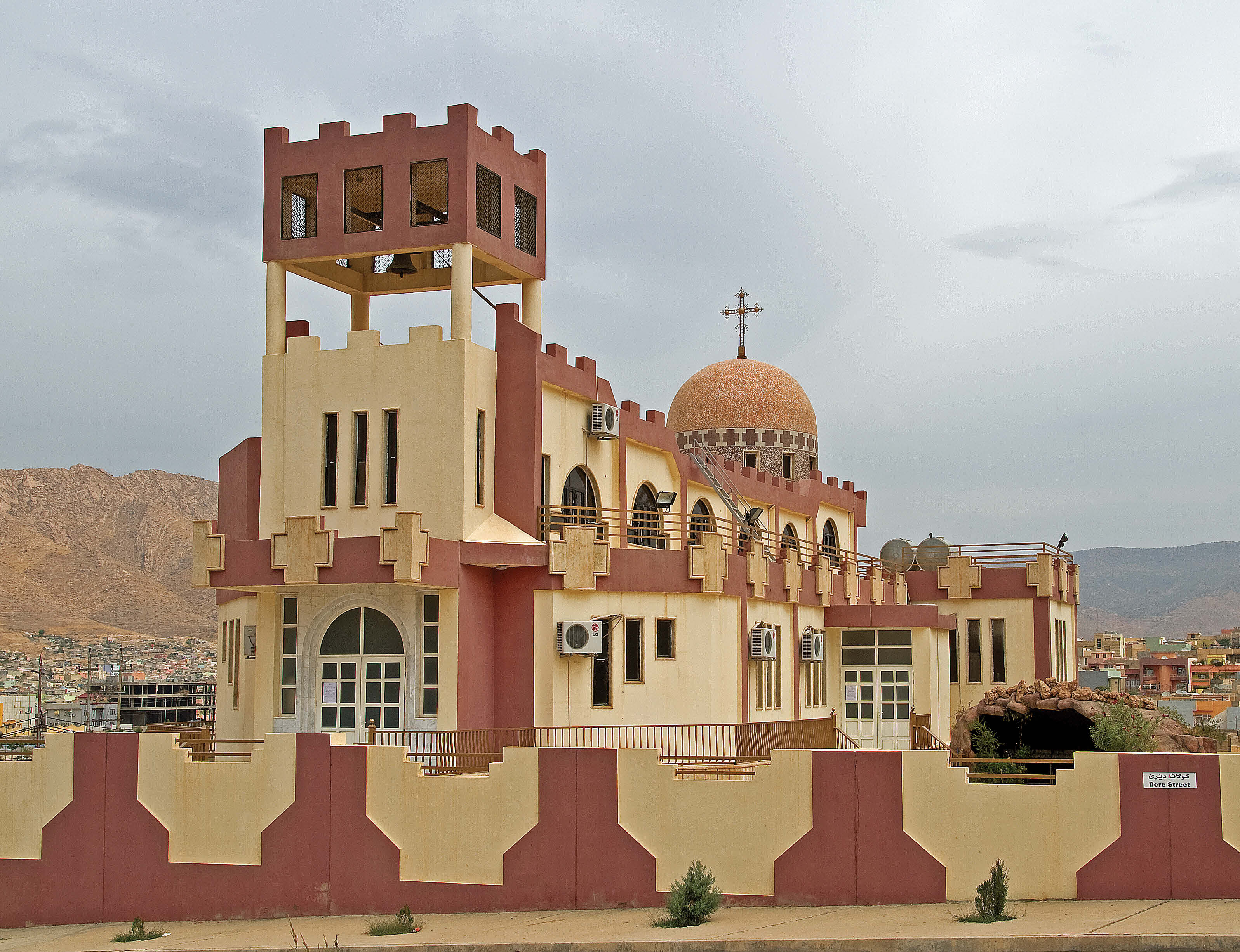
The Assyrian Mar Narsai Cathedral built in 2006 in Dohuk, Iraqi Kurdistan Region. Photo: 2009.
亚述的马尔·纳尔赛主教座堂 (Assyrian Mar Narsai Cathedral) 建于2006年,位于伊拉克库尔德斯坦地区 (Iraqi Kurdistan Region) 的杜胡克 (Dohuk)。照片:2009年。
as prisons, garages and stores, but even locally venerated Muslim shrines, such as the famous Mosque of prophet Yunus (Jonah), built over the tomb of Patriarch Henanisho I (in office 685– 701, see p. 145), were turned to rubble.
被用作监狱、车库和商店,但就连当地受尊崇的穆斯林圣所,例如著名的先知尤努斯(Yunus,即约拿)清真寺——它建在牧首亨纳尼绍一世(Henanisho I,在位 685–701 年,见第145页)的陵墓之上——也被夷为瓦砾。
Afghan Talibans. Unfortunately, the events that followed justified the Patriarch’s fears.
阿富汗塔利班 (Afghan Talibans)。不幸的是,随后发生的事件证实了宗主教 (Patriarch) 的担忧。
Although the Christian Assyrian community is small, two armed militias have been formed which fight jointly with the Peshmerga against the jihadists. The Niniveh Plain Protection Unit was founded by the political party called Assyrian Democratic Movement ADM, and the Dwekh Nawsha (literally ‘the one who sacrifices himself’) was founded by the Assyrian Patriotic Party. Both militias count a few thousand men but only a minority of them is ready for combat. [^25] Not only Assyrians, but also other Iraqis and even some Westerners have undergone training. The Assyrian minority is represented in both the national and regional parliaments according to the quota set for Christians. Since 2014, the Assyrians have held five seats out of 328 in the National Council of Representatives, the Majlis, and also five seats out of 111 in the Iraqi Kurdistan Parliament. [^26]
尽管亚述基督徒社群 (Christian Assyrian community) 规模不大,但已经组建了两支武装民兵组织,与佩什梅格 (Peshmerga) 并肩打击圣战分子。尼尼微平原保护部队 (Niniveh Plain Protection Unit) 由名为亚述民主运动 (Assyrian Democratic Movement, ADM) 的政党创建,而德韦赫·纳夫沙 (Dwekh Nawsha,字面意为“自我牺牲者”) 则由亚述爱国党 (Assyrian Patriotic Party) 创建。两支民兵组织各有数千人,但其中只有少数人做好战斗准备。25 不仅亚述人,其他伊拉克人乃至一些西方人都接受了训练。亚述少数群体按照为基督徒设定的配额,在国家和地区议会中均有代表。自2014年以来,亚述人在国民代表委员会 (National Council of Representatives),即议会 (Majlis) 中拥有328个席位中的5席,并在伊拉克库尔德斯坦议会 (Iraqi Kurdistan Parliament) 中拥有111个席位中的5席。26
The advance of the Islamic State (then called Islamic State of Iraq and the Levant) into eastern and northern Syria as a consequence of the power vacuum created by the civil war that began in 2011 also severely endangers the Christians of Syria. In the spring of 2013, the jihadists and al-Qaeda-affiliated al-Nusra Front, together with other rebel groups, seized control of the city of al-Raqqah, located about 160 km east of Aleppo. At the same time, the valley of the Khabur River, a tributary of the Euphrates, fell to the jihadists. It has served as a refuge to Assyrian Christians since the massacres committed by the Iraqi army in 1933.24 In total, about 35,000 to 40,000 Assyrian Christians lived in eastern Syria prior to 2011. The Assyrian Christians were forced to flee in the face of the advance of the jihadists from the al-Nusra Front, either westward to Damascus or Lebanon or eastward to Dohuk in the Kurdistan Region. The al-Nusra jihadists were soon followed by the jihadists of ISIS, who took control of al- Raqqah in January 2014. As the author recalls, the Patriarch of the Greek Orthodox Church of Antioch, H.H. Ignatius IV Hazim (in office 1979–2012), anticipated the fate of the Christians in Syria and of the Syrian people in general when the author interviewed him in April 2002 in Damascus. The Patriarch was greatly concerned about the consequences of an American attack on Saddam Hussein looming on the horizon under the pretext that the Iraqi regime was developing weapons of mass destruction, since such an intervention could destabilize the whole of the Middle East. He worried that the fall of more or less secular dictators such as Saddam Hussein or Bashar al-Assad would leave the Christians without protection from lurking Islamist groups similar to the Arab jihadists supporting the
伊斯兰国 (Islamic State)(当时称为伊拉克和黎凡特伊斯兰国 (Islamic State of Iraq and the Levant))因2011年开始的内战所造成的权力真空而向叙利亚 (Syria) 东部和北部推进,也严重危及叙利亚的基督徒。2013年春,圣战分子和与基地组织 (al-Qaeda) 有关联的努斯拉阵线 (al-Nusra Front),连同其他反叛团体,夺取了位于阿勒颇 (Aleppo) 以东约160公里处的拉卡 (al-Raqqah) 市。与此同时,幼发拉底河 (Euphrates) 的支流哈布尔河 (Khabur River) 谷地也落入圣战分子之手。自1933年伊拉克军队实施大屠杀以来,该谷地一直是亚述基督徒 (Assyrian Christians) 的避难所。24 总体而言,2011年之前,约有35,000至40,000名亚述基督徒生活在叙利亚东部。面对来自努斯拉阵线的圣战分子的推进,亚述基督徒被迫逃离,或向西逃往大马士革 (Damascus) 或黎巴嫩 (Lebanon),或向东逃往库尔德斯坦地区 (Kurdistan Region) 的杜胡克 (Dohuk)。努斯拉阵线的圣战分子之后很快又来了伊斯兰国 (ISIS) 的圣战分子,他们于2014年1月控制了拉卡。正如作者所回忆的,安提阿希腊正教会 (Greek Orthodox Church of Antioch) 牧首、至圣伊格纳提乌斯四世·哈齐姆 (H.H. Ignatius IV Hazim)(在位 1979–2012年)在作者于2002年4月在大马士革采访他时,就已预见到叙利亚基督徒乃至整个叙利亚人民的命运。牧首极为担忧美国以伊拉克政权正在发展大规模杀伤性武器为借口而即将对萨达姆·侯赛因 (Saddam Hussein) 发动的攻击的后果,因为这种干预可能破坏整个中东 (Middle East) 的稳定。他担心,像萨达姆·侯赛因或巴沙尔·阿萨德 (Bashar al-Assad) 这样多少具有世俗性的独裁者的倒台,将使基督徒失去保护,无法抵御潜伏的伊斯兰主义团体——这些团体类似于支持……的阿拉伯圣战分子。
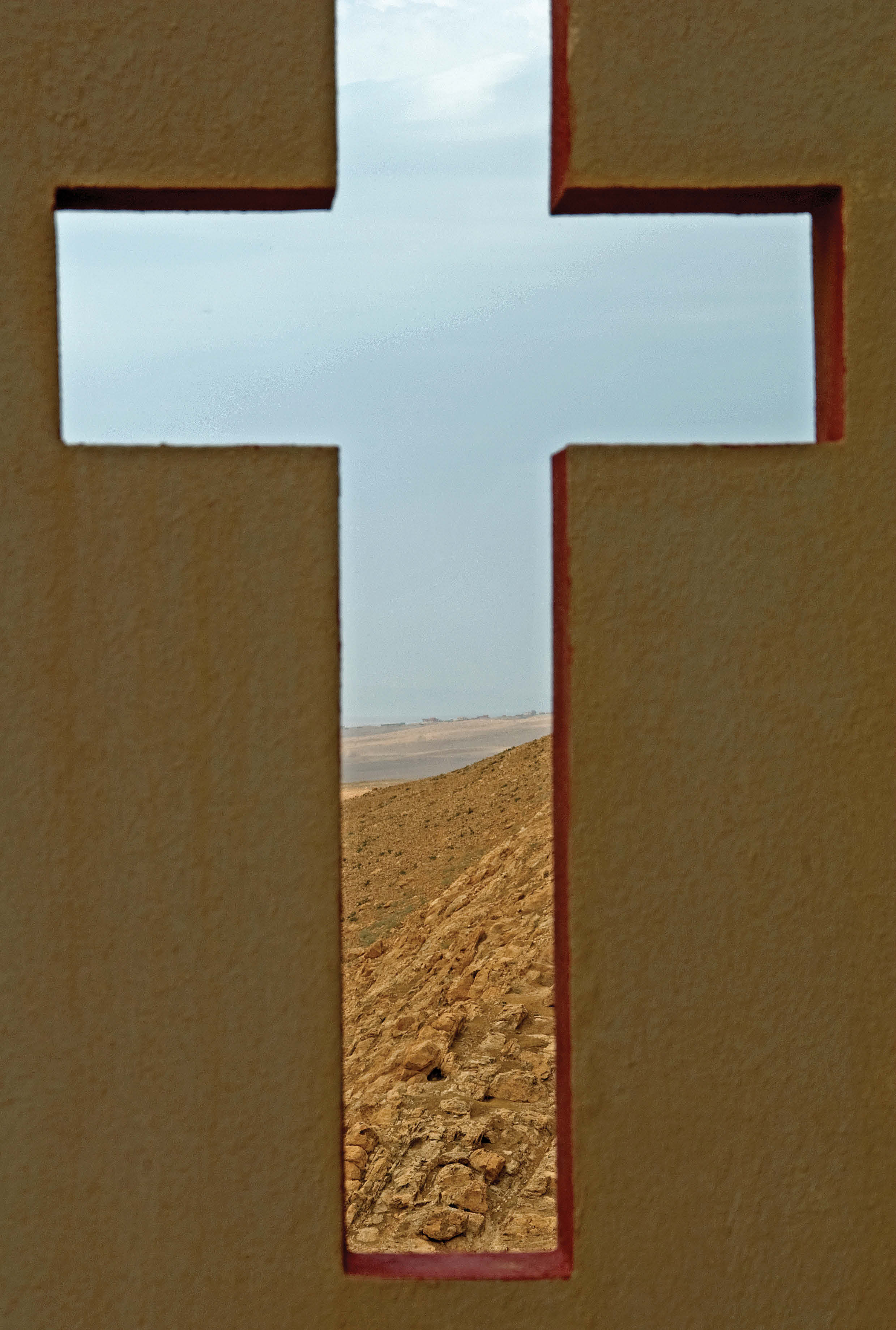
View from the monastery hospice ‘Our Saving Father’ in Alqosh, Iraqi Kurdistan Region. Photo: 2009.
从伊拉克库尔德斯坦地区(Iraqi Kurdistan Region)阿尔科什(Alqosh)的修道院招待所“我们的拯救之父”(Our Saving Father)眺望。照片:2009年。
In view of the hundreds of thousands of Christians who left Iraq since the infamous Anfal Campaign in 1988, the First Gulf War of 1990–1 and the chaotic mismanagement after the US invasion in 2003, the question of whether the Christians of Iraq have any future in their own homeland continues to dominate. The Assyrian and Chaldean Christians have lived in Iraq for almost two thousand years, about five hundred years longer than the Arab Muslims who spread Islam beginning in the seventh century. Yet Oriental Christianity in Iraq is threatened by extinction. There is also no doubt that the situation would be even bleaker without the safe haven of the Kurdistan
鉴于自1988年臭名昭著的安法尔行动(Anfal Campaign)、1990–1年的第一次海湾战争(First Gulf War),以及2003年美国(US)入侵后混乱无能的治理以来,已有数十万基督徒离开伊拉克(Iraq),伊拉克(Iraq)基督徒在自己的家园是否还有未来,仍是人们持续关注的核心问题。亚述和迦勒底基督徒在伊拉克生活了近2,000年,比从7世纪开始传播伊斯兰教的阿拉伯穆斯林早约500年。然而,伊拉克的东方基督教正面临消亡的威胁。毫无疑问,若没有库尔德斯坦(Kurdistan)
Region. Christianity’s long-term survival in Iraq will depend on four factors: first, the stability of the autonomous Kurdistan Region and its continued tolerant policy towards religious minorities; second, the overcoming of the Islamic State and the liberation of Mosul and the Niniveh Plains from its grasp; third, the establishment of an effective national Iraqi government in Baghdad which would prioritize a reconciliation with and the reintegration of the large Sunni minority, especially former Baathist officials and army officers; and fourth, but not least, Christians staying in their homelands and fighting for their own future.
地区这一安全避难所,形势还会更加黯淡。基督教若要在伊拉克(Iraq)长期存续,将取决于4项因素:第1,库尔德斯坦自治区(Kurdistan Region)稳定,并继续对宗教少数群体保持宽容政策;第2,战胜伊斯兰国(Islamic State),并从其控制下解放摩苏尔(Mosul)和尼尼微(Niniveh)平原;第3,在巴格达(Baghdad)建立有效的伊拉克全国政府,将与规模庞大的逊尼派(Sunni)少数群体和解并使其重新融入社会列为优先事项,尤其要包括前复兴党(Baathist)官员和军官;第4,但同样重要的是,基督徒留在故土,为自己的未来而奋斗。